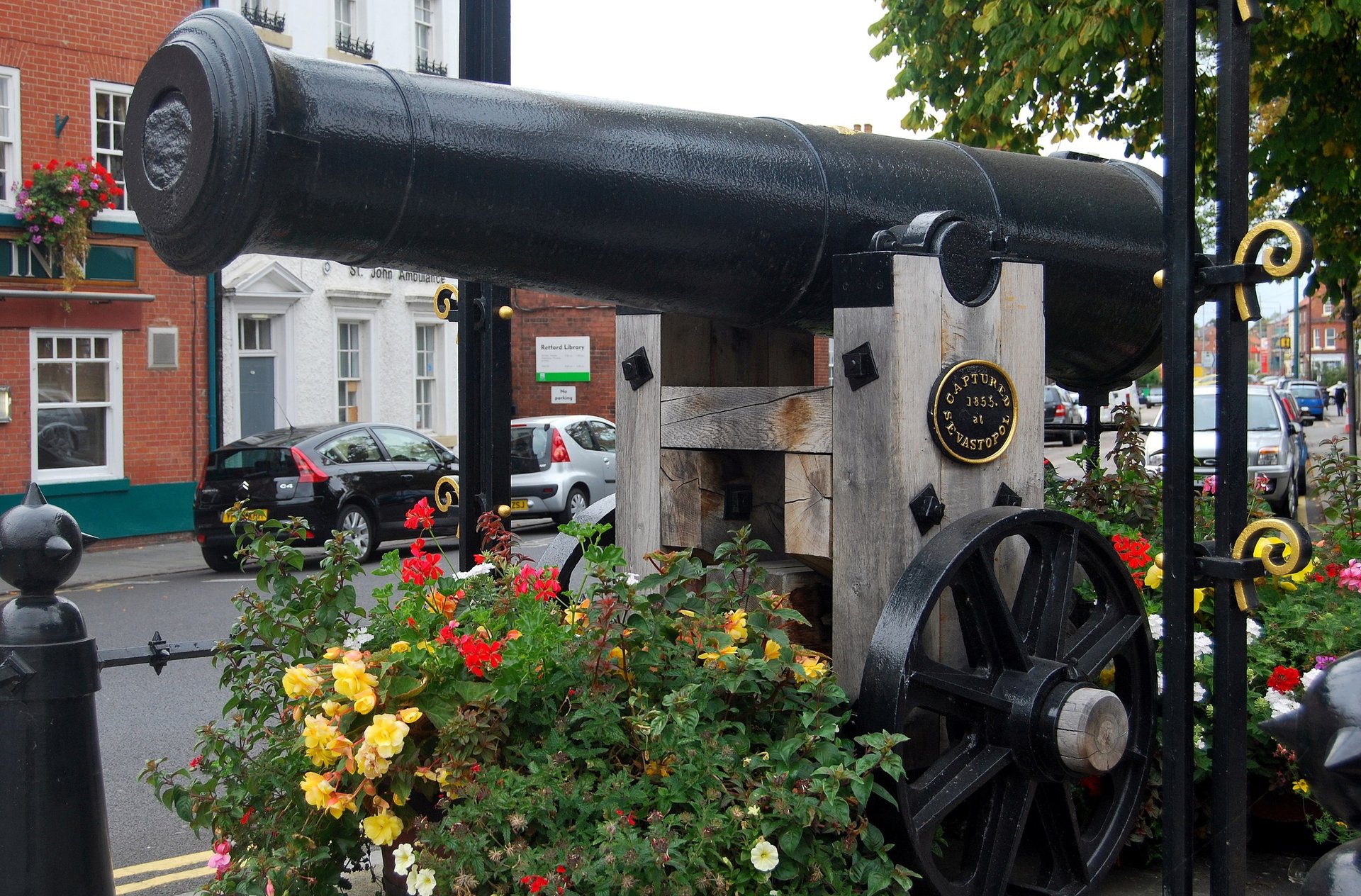
In the heart of Retford's Cannon Square stands a weathered iron monument that most residents pass without a second thought. Yet, this 24-pounder Russian gun, nicknamed the "Earl of Aberdeen," is more than just a piece of local decor. It is a trophy of the bloodiest conflict of the 19th century and a rare survivor of a nationwide scrap metal purge that claimed almost all its siblings.
A Trophy from the Crimean Trenches
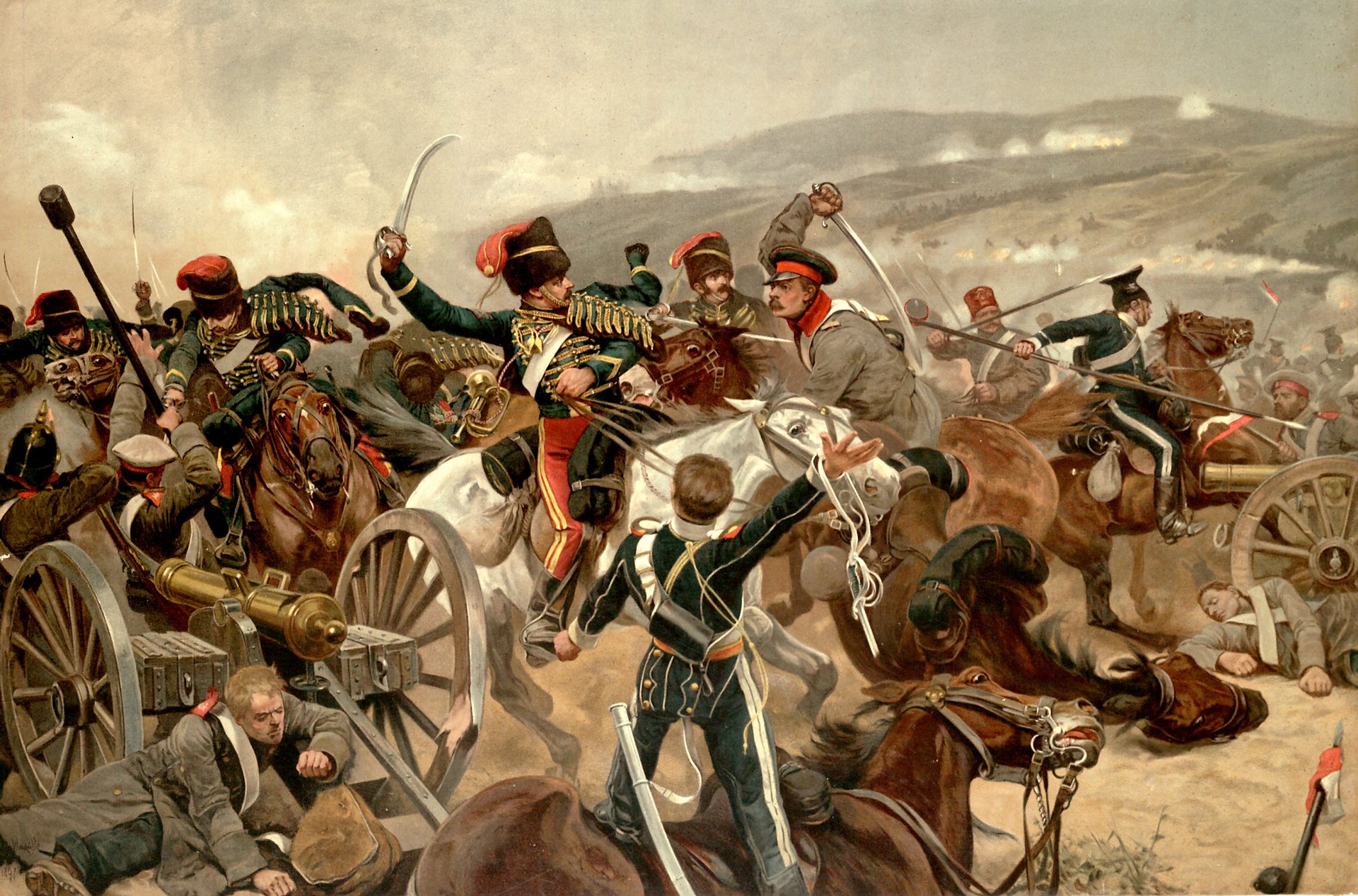
The story begins over 1,500 miles away in the besieged city of Sebastopol (now Sevastopol). During the Crimean War (1853--1856), British, French, and Ottoman forces laid siege to this Russian port for nearly a year. When the city finally fell, the British captured thousands of Russian bronze and iron cannons.
To celebrate the victory, Lord Panmure, the Secretary of State for War, decided to distribute these captured guns as "war trophies" to towns across the British Empire that had shown significant support for the war effort.
Why Retford?
Retford was chosen in 1858 to receive one of these prestigious trophies. At the time, the town was a bustling hub of the Great North Road and a proud borough with deep patriotic ties. The arrival of the cannon was a monumental event; it was hauled from the railway station to the town center by a team of six horses, accompanied by a marching band and cheering crowds.
The cannon was named the "Earl of Aberdeen" in honor of George Hamilton-Gordon, the 4th Earl of Aberdeen, who had been Prime Minister during the early years of the Crimean War. It was mounted on a grand stone plinth in the square, which was subsequently renamed Cannon Square in its honor.
The Great Scrap Drive: A Near-Death Experience
While hundreds of these Russian cannons were distributed across the UK, very few exist today. The reason lies in the dark days of 1940.
During World War II, the British government launched a desperate appeal for "scrap metal for the war effort." Across the country, iron railings were sawn off, and historical monuments; including almost all the Sebastopol cannons; were melted down to be forged into new shells and tanks to fight Nazi Germany.
So, how did Retford's cannon survive? Legend and local records suggest a mix of bureaucratic delay and community defiance:
Technical Difficulty: The cannon is made of heavy cast iron. At the time, the effort required to dismantle and transport such a massive, solid piece of metal outweighed the immediate value of the scrap.
Local Sentiment: Unlike towns that gave up their trophies willingly, Retfordians were famously protective of their "Old Gun." It is said that local officials "forgot" to process the paperwork for its removal until the immediate crisis of the scrap drive had passed.
By the time the authorities came looking for it again, the tide of the war had turned, and the "Earl of Aberdeen" was spared the furnace.
The Cannon Today
Today, the Sebastopol Cannon remains one of the few original Russian trophies still standing in its original 19th-century location. If you look closely at the barrel, you can still see the Imperial Russian Crest (the double-headed eagle) embossed in the iron, though it has been worn smooth by over 160 years of Nottinghamshire weather.
It stands not as a glorification of war, but as a testament to Retford's resilience and its unique place in the tapestry of British history.
Sources
East Retford Charter Trustees: The Crimea Connection - Details the arrival of the 24-pounder in 1858 and its rescue by Alderman Bradshaw.
Imperial War Museums (IWM): Retford Crimean Cannon War Memorial - The official registry entry for the memorial, confirming its capture at Sevastopol and its removal/return during WWII.
Inspire Picture Archive: Installation or repair of the Cannon c. 1860-1900 - Archival photographic evidence and history from the Retford Times records.
The Spas Research Fellowship: The Retford Cannon - Information on its 2006 restoration by the Retford Civic Society and the replica paraded through the town.
Encyclopedia Britannica: George Hamilton-Gordon, 4th Earl of Aberdeen - Background on the Prime Minister for whom the cannon was named.
War Memorials Online: Retford Cannon (ID 216158) - Technical specifications and listing status of the iron cannon and its carriage.