The History of the Chesterfield Canal through Retford
Author: Brenda Cooper
Last reviewed:
The Chesterfield Canal is one of the most historically significant waterways in the East Midlands and has played an important role in the development of towns along its route, including Retford. Running for around 46 miles between Chesterfield in Derbyshire and the River Trent at West Stockwith, the canal has a long history tied to industry, transport and more recently recreation and tourism.
The canal was authorised by an Act of Parliament in 1771 during a period when canals were transforming transport across Britain. Construction began shortly afterwards and the canal opened fully in 1777. Its purpose was to connect the industrial areas around Chesterfield with the River Trent, allowing goods to be moved more efficiently between the Midlands and the wider national network of waterways.
During the late eighteenth and nineteenth centuries the canal became an important route for transporting coal, iron, stone and agricultural products. Boats would travel along the canal carrying goods to markets and industrial centres, helping support local economies along the route. Retford benefited from this trade, as the canal passed through the town and provided a valuable transport link at a time when roads were slower and railways had not yet been developed.
The section of canal through Retford helped the town grow as a small commercial hub. Warehouses, wharves and businesses developed along the canal banks, using the waterway to move goods in and out of the area. For many years the canal would have been a busy and active route, with narrowboats regularly travelling through the town.
However, the rise of the railways in the nineteenth century gradually reduced the importance of canals for freight transport. By the early twentieth century commercial traffic had declined significantly, and parts of the canal began to fall into disuse. A major collapse of the Norwood Tunnel in 1907 also disrupted navigation along the route and contributed to sections becoming abandoned.
Despite this decline, the Chesterfield Canal did not disappear. From the mid twentieth century onwards there was growing interest in preserving and restoring Britain’s historic canals. Local volunteers, organisations and councils worked together to protect the waterway and gradually bring parts of it back into use.
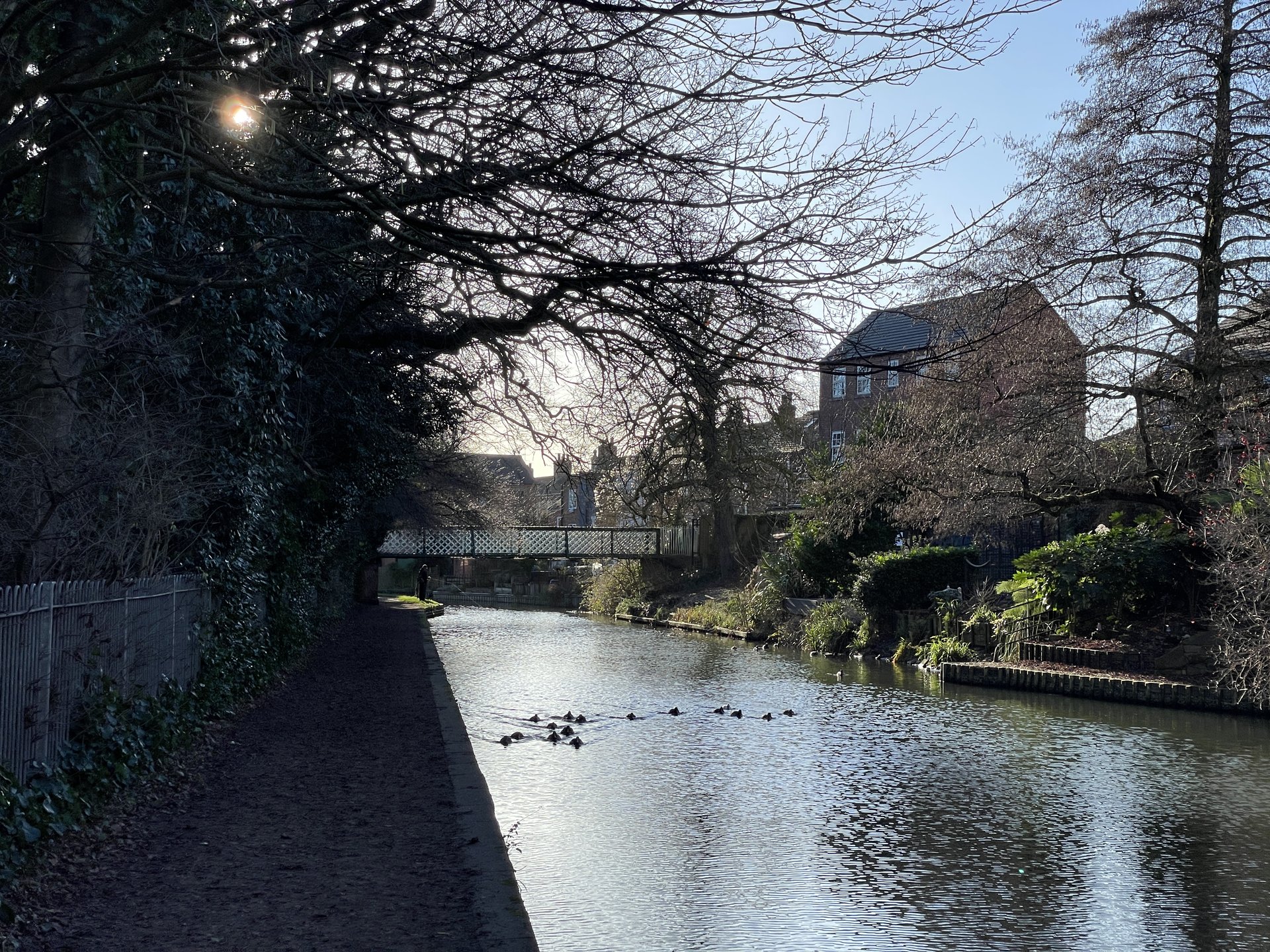
Today the canal has been transformed into a recreational and heritage asset. Large sections are navigable again, and the canal is popular with boaters, walkers and cyclists. Towpaths provide peaceful routes through countryside and towns, while wildlife has returned to many stretches of the canal.

In Retford, the canal remains an important feature of the local landscape. It passes close to the town centre and links with nearby green spaces, making it a popular area for walking and enjoying the outdoors. Visitors can often see narrowboats moored along the canal, as well as people fishing or exploring the towpaths.
The canal also contributes to tourism in the region, attracting visitors who are interested in boating, local history and nature. Ongoing restoration projects aim to eventually reconnect more sections of the canal, with the long term goal of restoring a full navigable route between Chesterfield and the River Trent.
Although it no longer carries the heavy freight it once did, the Chesterfield Canal continues to play an important role in communities like Retford. What was once an industrial transport route has become a place for leisure, heritage and wildlife, linking the present day town with an important part of its past.
Corrections and Updates
We aim for accuracy and keep articles under review. If you spot an error or have updated local information, please see our editorial policy or contact us.