Exploring the Historic Churches of Retford and its Surrounding Villages
Author: Brenda Cooper
Last reviewed:
Retford is a town steeped in a complex, multi-layered history, and nowhere is this heritage more prominently displayed than in the magnificent churches that grace the town and its surrounding villages. These ancient buildings are far more than just places of worship; they are architectural masterpieces, historical archives, and the silent witnesses to the dramatic events that have shaped North Nottinghamshire over the past millennium. Let's take a journey through some of the most significant and historic churches in the Retford area.
St Swithun’s Church: The Heart of Retford
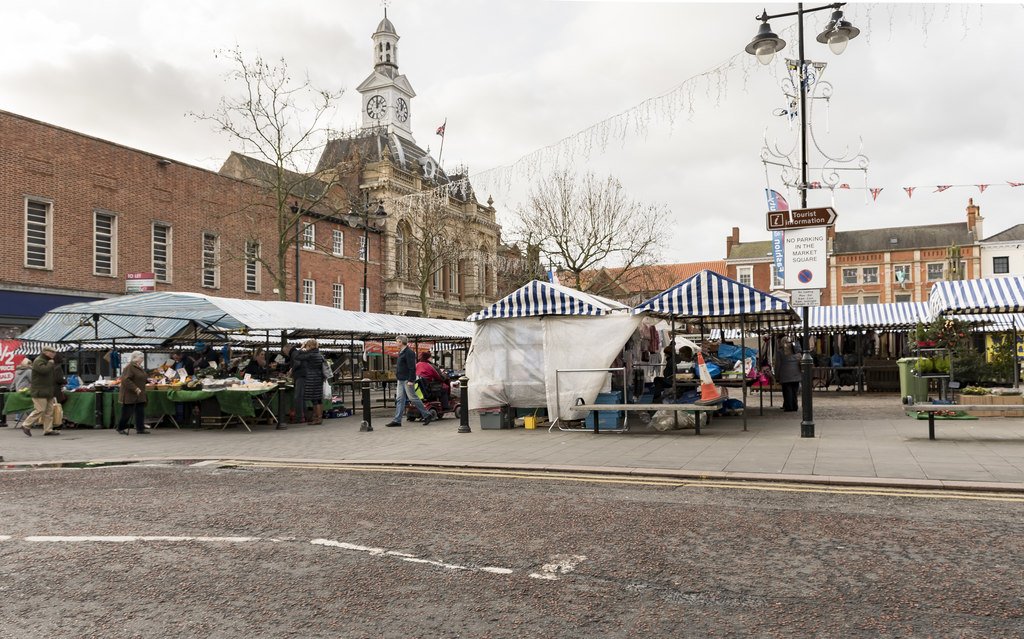
Standing proudly in the very centre of Retford, adjacent to the bustling market square, is the magnificent St Swithun’s Church. Dedicated to Swithun, a 9th-century Bishop of Winchester, this Grade II* listed building has been the geographical and spiritual anchor of East Retford for centuries.
The current structure dates primarily from the 13th to the 15th centuries, although it is believed a church has occupied this site since the late Anglo-Saxon period. Throughout its long history, St Swithun's has endured its fair share of catastrophe. In 1528, a devastating fire ripped through the town of Retford, severely damaging the church. Only slightly over a century later, the church’s impressive tower tragically collapsed in 1651 during a violent storm, destroying the chancel and much of the nave.
Today, the meticulously rebuilt 17th-century tower stands as a testament to the resilience of the local townspeople. Inside, visitors are greeted by stunning Gothic arches, intricate stained-glass windows, and a profoundly peaceful atmosphere that provides a stark contrast to the busy shopping streets just outside its formidable oak doors.
All Hallows Church, Ordsall
Just a short walk across the River Idle into the parish of Ordsall brings you to the beautiful All Hallows Church. Set slightly set back from the main road, surrounded by a peaceful, tree-lined churchyard, this is another jewel in Retford's architectural crown.
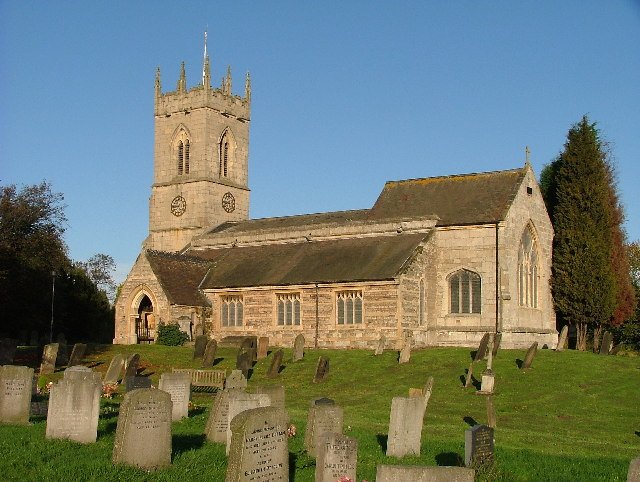
The church is predominantly 15th-century Perpendicular Gothic in style, boasting a striking tower complete with elaborate pinnacles that dominates the local skyline. The interior of All Hallows is particularly renowned for its beautifully carved timber roof and its collection of historical artifacts. The parish of Ordsall itself has deep historical roots, notably appearing in the Domesday Book of 1086, and the church has served the local farming and industrial communities continuously ever since.
The Pilgrim Connection: All Saints Church, Babworth
Perhaps the most internationally significant church in the immediate Retford area is All Saints Church in the nearby idyllic village of Babworth.
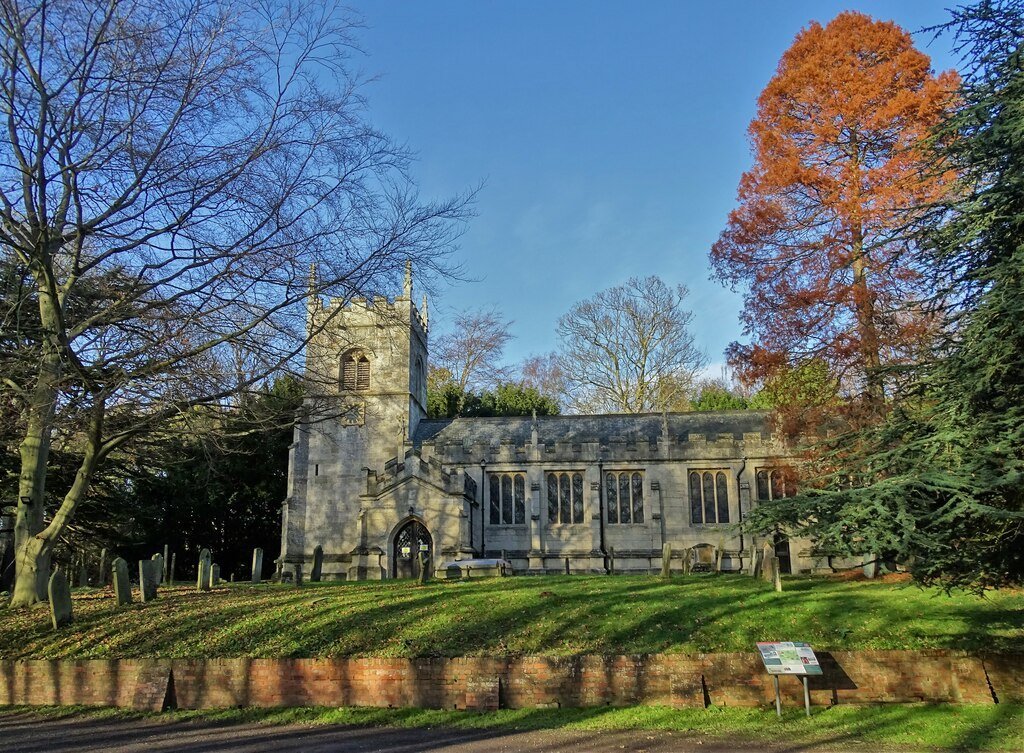
Tucked away in dense, picturesque woodland, this small, unassuming stone church played a surprisingly colossal role in the shaping of modern America. In the late 16th and early 17th centuries, All Saints was the parish of the radical preacher Richard Clyfton. Clyfton's puritanical sermons deeply challenged the established practices of the Church of England, drawing massive crowds from across the region.
Among the regular congregation were significant historical figures, notably William Brewster and William Bradford.
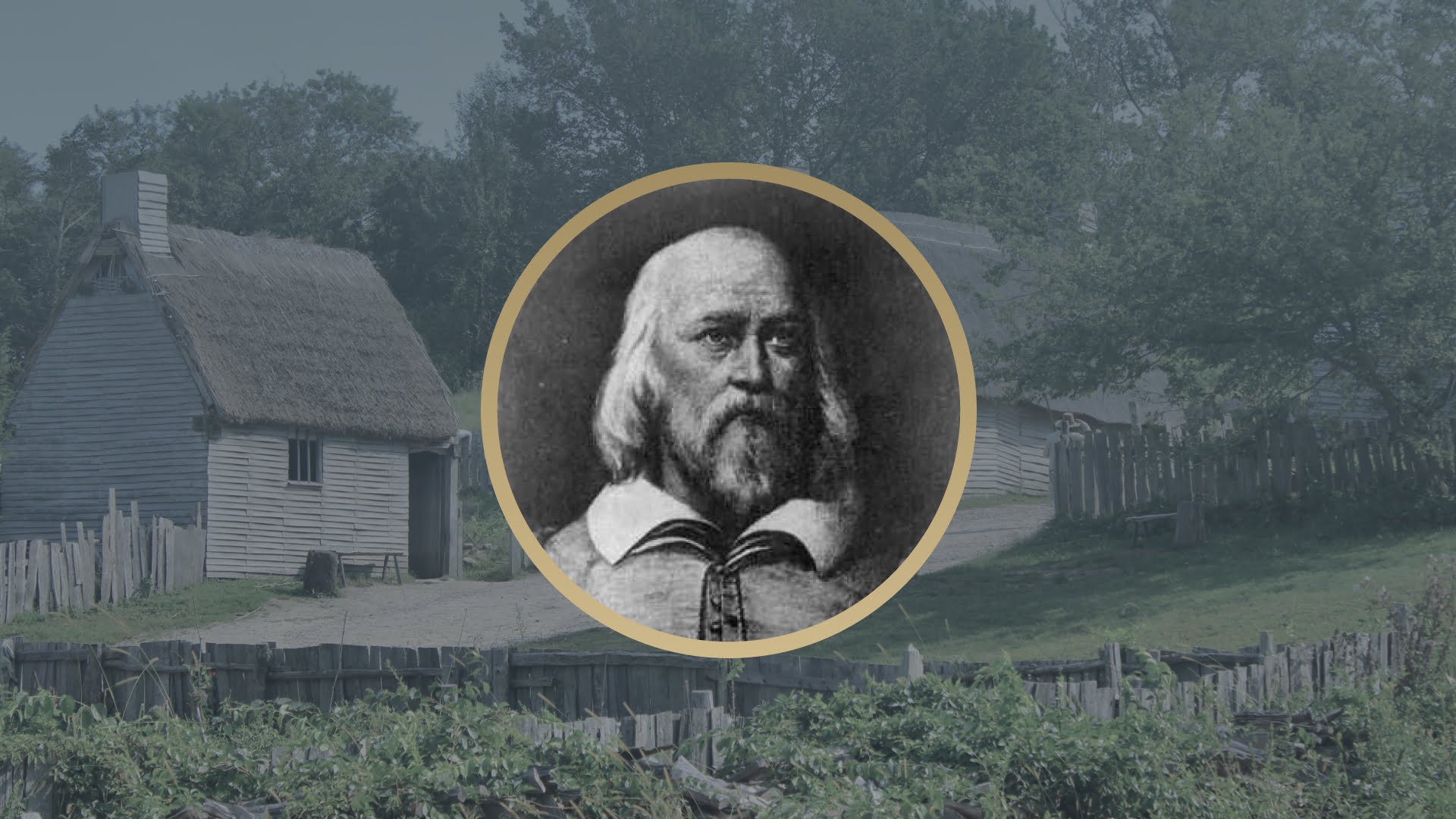
These men were inspired by Clyfton's teaching to illegally separate from the established church. Facing severe religious persecution, they ultimately fled England, traversing to Holland before making the legendary voyage across the Atlantic Ocean aboard the Mayflower in 1620. They established the Plymouth Colony and became forever known as the Pilgrim Fathers.
Today, visitors can walk the very paths these Pilgrims trod, culminating at Babworth Church. Inside, the church contains fascinating exhibitions and literature detailing the incredible, dangerous journey of its former congregation. It is a profound, incredibly moving historical site that attracts international tourists year after year.
St John’s Church, East Retford
Adding variation to Retford's architectural landscape is St John the Divine, located towards the south of the town centre. Unlike the ancient origins of St Swithun's or Babworth, St John's is a distinctly Victorian addition to the town.
Built in the mid-19th century to accommodate Retford's rapidly expanding population during the industrial revolution, St John's was designed in the dramatic Gothic Revival style that was incredibly popular at the time. It features intricate stone detailing and a magnificent interior. Interestingly, St John's was intended to serve a distinct aesthetic purpose, providing an ecclesiastical counterbalance to the changing industrial landscape of the railways and factories that were reshaping the town’s economy.
Historic Voices from the Graveyards
To truly appreciate the history of these churches, one must spend time walking through their respective churchyards and the expansive Retford Cemetery. The gravestones serve as a profound social history of the town.
Walking through the cemetery, one can read the names of the influential families who built Retford's commerce, the victims of local industrial accidents on the railways, and those who gave their lives during the two World Wars.
These spaces offer a quiet reflection on the countless generations of ordinary people whose combined efforts and lives formed the fabric of the community we know today.
A Lasting Legacy
The churches of Retford and its surrounding villages are monumental links to our past. From their role in triggering the transatlantic voyages that founded modern America, to their enduring presence following local fires and collapsing towers, they are symbols of unshakeable resilience.
Whether you are a devout worshipper, an avid historian, a lover of Gothic architecture, or simply someone seeking a moment of quiet reflection, Retford's historic churches remain as welcoming and as awe-inspiring today as they have been for centuries.
Corrections and Updates
We aim for accuracy and keep articles under review. If you spot an error or have updated local information, please see our editorial policy or contact us.