10 Fascinating Facts About Retford You Probably Didn't Know
Author: Brenda Cooper
Last reviewed:
Retford might be a small market town in North Nottinghamshire, but its story stretches back thousands of years. From Mesolithic flint tools to royal visits and rubber duck races, here are ten facts about Retford that might just surprise you.
1. The town's name may be stained with blood
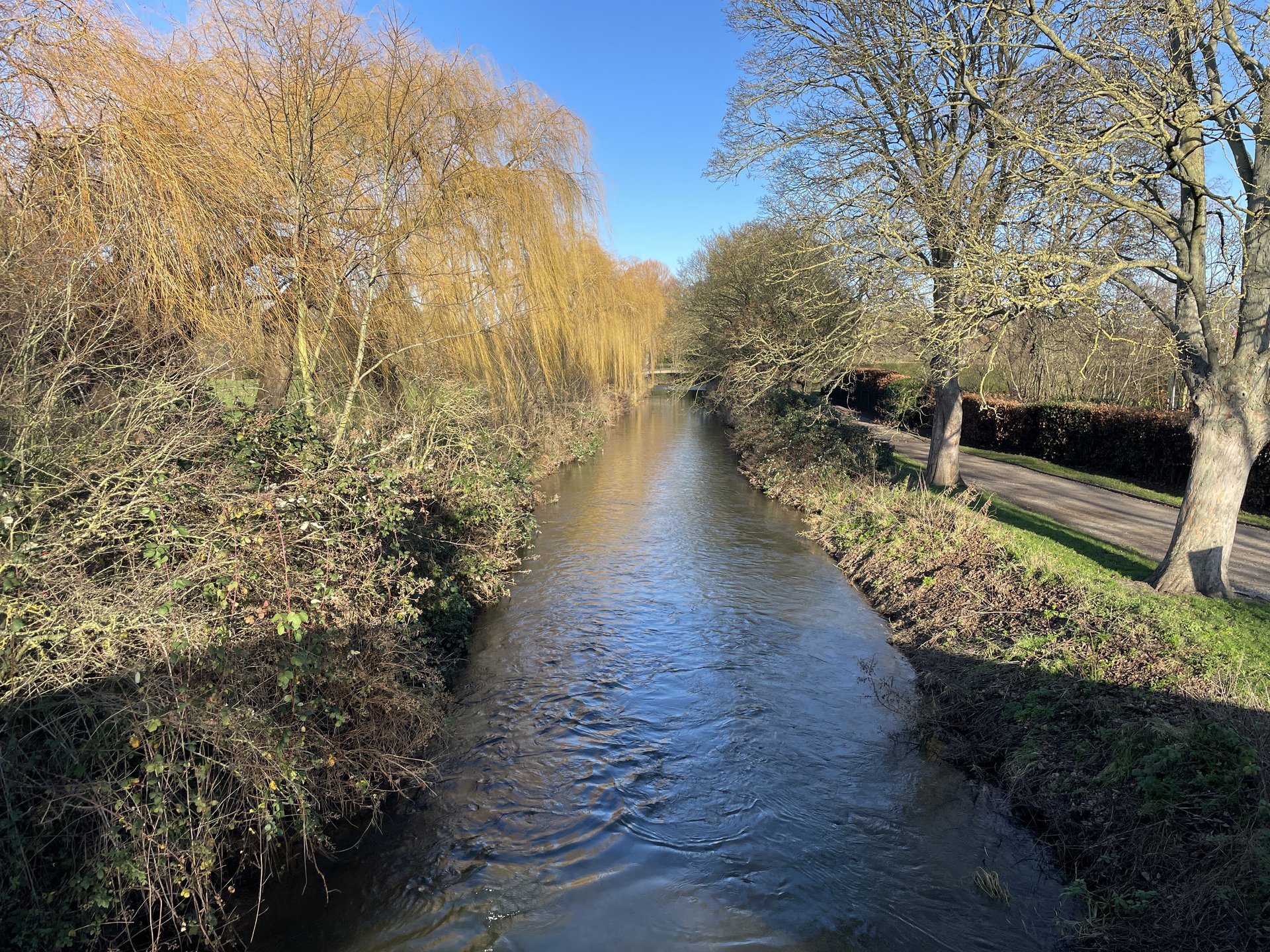
The origins of the name "Retford" have been debated for centuries. The most widely accepted explanation is that it derives from an ancient ford crossing the River Idle, where the constant traffic of people and livestock disturbed the clay riverbed, giving the water a reddish tinge --- hence early spellings like Redeforde and Redforde. A more dramatic theory, however, suggests the name references the Battle of the River Idle, in which the river ran red with the blood of the fallen. A third theory points more prosaically to the reeds that grow abundantly along the riverbanks. The true origin remains unknown.
2. Retford has been home to people for thousands of years
Long before it became a market town, the Retford area was already well inhabited. Archaeological finds in and around the town include a Mesolithic flint tool unearthed in Ordsall, a Neolithic axe from Little Morton, and a polished flint axe discovered near the River Idle at Tiln. A Bronze Age spearhead was found near Whinney Moor Lane, and Romano-British crop marks are still visible around Babworth. Retford's history, in other words, goes considerably further back than its market square.
3. Retford appears in the Domesday Book
Retford is one of England's oldest boroughs. It was recorded in the Domesday Book of 1086 as Redeforde, and Henry I formally established it as a borough in 1105. A Royal Charter granted by Henry III in 1246 gave the town the right to hold a fair, and Edward I later extended this to a Saturday market in 1275. These charters mattered --- they allowed Retford to govern itself independently, free from the interference of the Sheriff of Nottingham.
4. Retford has been granted 17 Royal Charters
Over several centuries, Retford accumulated an impressive 17 Royal Charters, including the Letters Patent of 1225 granting the right to levy tolls on travellers passing through North Nottinghamshire. Historians debate which charter came first --- some point to 1246, others to 1259 --- but the oldest surviving charter dates to 1313 and is now held in the Bassetlaw Museum. Few towns of Retford's size can claim such a rich legal and civic history.
5. King George V visited Retford just weeks before the outbreak of World War I
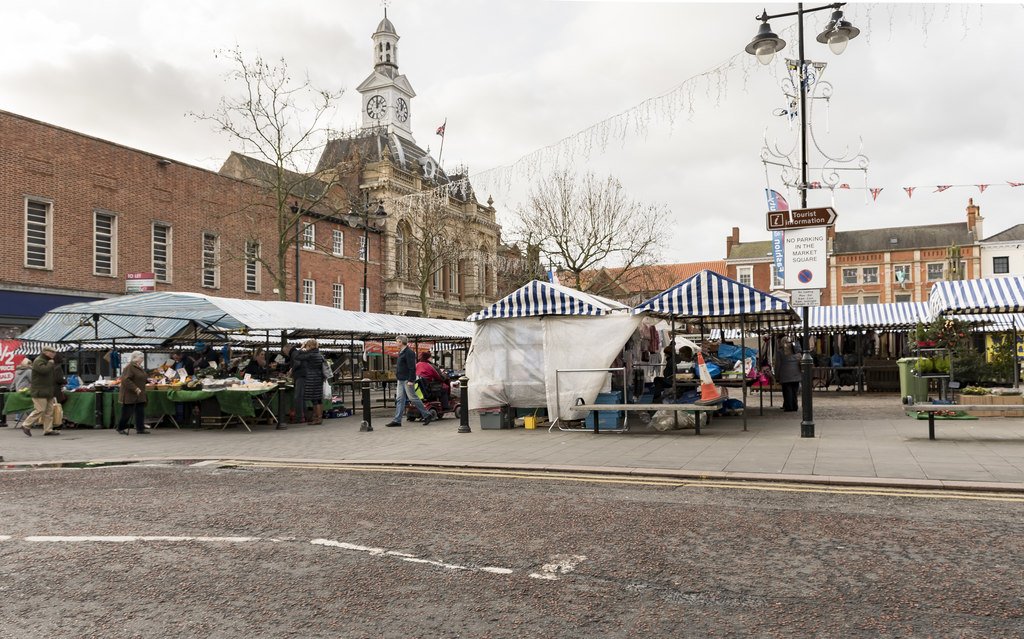
In 1914, Retford pulled out all the stops for a royal visit. According to the Retford Times, the town "really turned on the charm" --- decking out the market square with a large floral pavilion, performing three renditions of the National Anthem, and putting on dancing and fireworks for the occasion. Weeks later, Britain was at war.
6. The town's official name is East Retford, but nobody uses it
Officially, the town is still called East Retford, a name that historically distinguished it from the smaller West Retford settlement on the opposite bank of the River Idle. In practice, locals and visitors alike simply call it Retford, and have done for as long as anyone can remember.
7. Retford is twinned with towns on two continents
Retford and the wider Bassetlaw district have twinning links with three towns across the world: Aurillac in France, Pfungstadt in Germany, and Farmers Branch in Texas, USA. It's a fittingly international outlook for a town with such a long history of trade and travel.
8. Retford is home to an award-winning museum
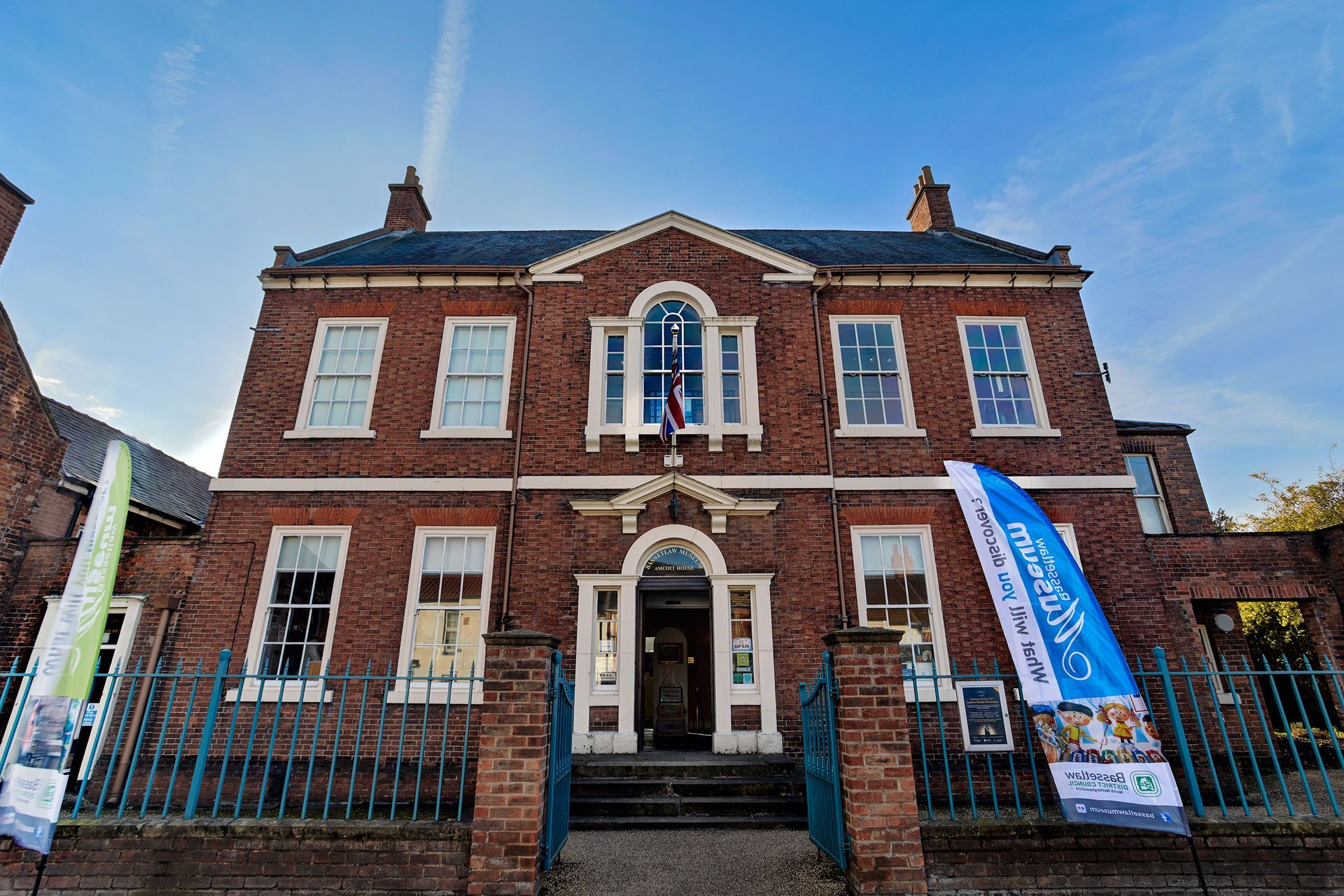
The Bassetlaw Museum, based in the Grade II* listed Amcott House in the town centre, was established in 1983 and tells the story of North Nottinghamshire from its earliest inhabitants to the present day. Highlights of the collection include an Anglo-Saxon boat, an autochromes collection by local photographer Stephen Pegler, and a medieval knight from Carlton-in-Lindrick. The museum also holds collections relating to the Mayflower Pilgrims, many of whom had roots in the surrounding area. It was named Nottinghamshire Museum of the Year in 2009 following a major renovation.
9. Retford's population has more than doubled in a century
At the turn of the 20th century, Retford had a population of around 12,000. By 2001 that figure had grown to 22,000, with the majority living in Ordsall, Hallcroft, and Spital Hill. Significant housing developments over the past two decades have pushed that number to an estimated 30,000--40,000 today, making Retford one of the faster-growing market towns in the East Midlands.
10. The town celebrates its royal history with a festival every May
Each year on the first Bank Holiday in May, Retford holds Charter Day --- a community festival marking the granting of the town's first Royal Charter in 1246. Now in its fourth decade, the event draws tens of thousands of visitors with live music, vintage car rallies, street entertainers, food stalls, and demonstrations by Retford Fire Station. The undisputed highlight for many is the Lions' Duck Race, in which hundreds of sponsored yellow plastic ducks are released onto the River Idle to race between two bridges --- with all proceeds going to charity.
Corrections and Updates
We aim for accuracy and keep articles under review. If you spot an error or have updated local information, please see our editorial policy or contact us.